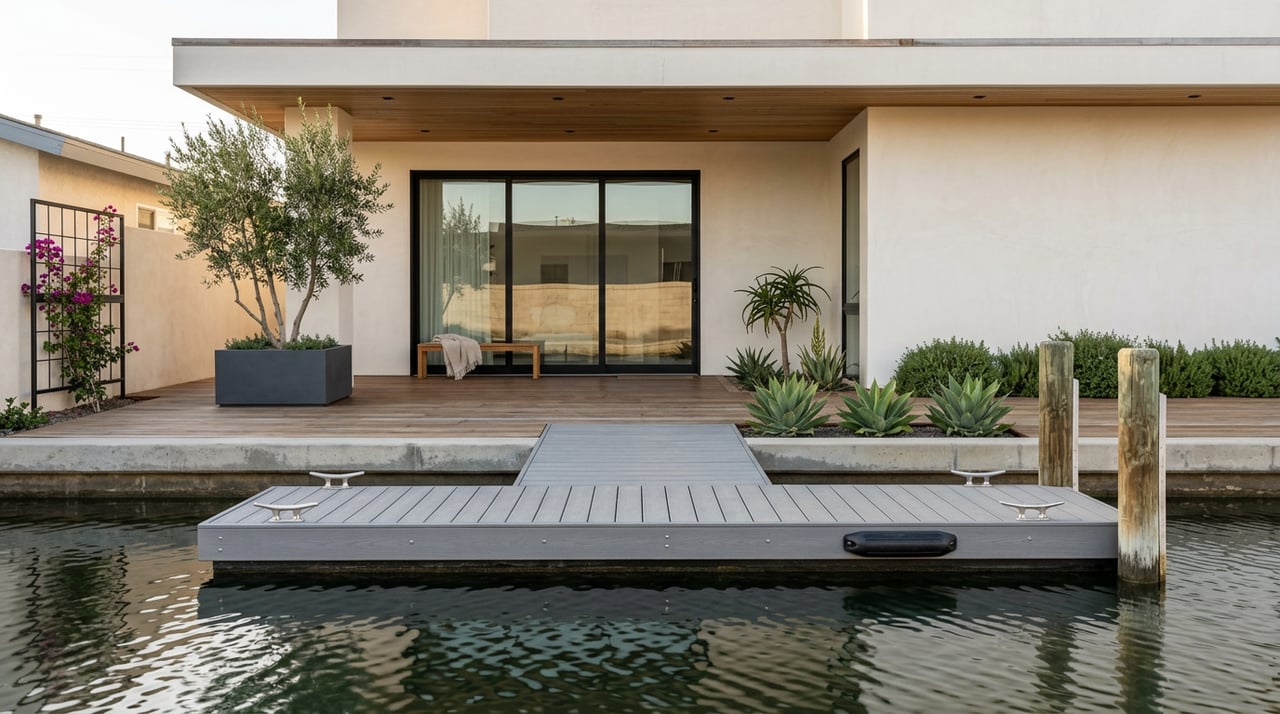
Picture this: you set your coffee down, slide open a glass door, and step onto your own dock as the canals glow with morning light. If you’re drawn to the Ventura Keys for that blend of calm water living and quick access to the harbor, you’re not alone. Buying on the water is thrilling, but it comes with a few specialized checks you do not want to skip. In this guide, you’ll learn the canal vs. main‑channel tradeoffs, how to confirm dock rights and permits, what to know about flood and insurance, and the exact documents to request before you write an offer. Let’s dive in.
Ventura Keys at a glance
Ventura Keys is a planned waterfront neighborhood of man‑made saltwater canals next to Pierpont Beach and Ventura Harbor. The community includes both on‑water and off‑water homes, with roughly about 300 on‑water properties that feature private docks. An active homeowners association manages neighborhood amenities, including two reserved community beaches and member services. You can learn more about the community on the Ventura Keys Association overview.
Lifestyle is a major draw. The inner canals are calm and well suited for kayaking and paddleboarding, and local operators even offer paddleboard lessons within the Keys. Many buyers choose the Keys for that low‑key residential feel paired with short runs out to the harbor and open water.
Canal vs. main channel: choose your water
Inner canals: calm water, right‑sizing your boat
Homes on narrow, sheltered canals offer a peaceful setting and easy paddle access from your backyard. The tradeoff is maneuvering room. Docks on small canals can be shorter, and tighter turning basins may limit the practical length or beam of your boat. Before you assume your current vessel will fit, compare dock length with your boat’s LOA and beam, and speak with the seller and the local harbor team about maneuvering realities.
Outer canals and main channel: faster access, more exposure
Properties on wider basins and along the main channel typically allow easier turning and quicker access to Ventura Harbor. That can be a plus for larger boats. These locations can also feel more exposed to swell and entrance conditions, so draft and timing matter. Past seasons have seen temporary harbor closures during high surf and sand build‑up. If you plan to run a bigger vessel, verify current conditions and approach depths with local notices and the harbor office, and review marina context like Safe Harbor Ventura Isle’s location within the harbor system as you plan routes.
Speed and safety rules you need to know
Ventura Harbor enforces local rules, including no‑wake zones and safety requirements. California law places a 5 mph limit within 100 feet of bathers and within 200 feet of a beach frequented by bathers, which is important in a neighborhood where people often launch paddleboards and swim. Review the Ventura Harbor rules and regulations so you understand how, when, and where you can operate.
Dock, deed, and permits: what you own
Not all docks are the same on paper. Some are appurtenant to the parcel and included in the deed; others may sit on or over state sovereign lands and require a recorded lease or permit through the State Lands Commission. The Commission maintains permitting and lease records for structures on tidelands, so you should confirm what applies to your specific address using State Lands Commission resources.
Ask in writing who is responsible for dock, piling, and seawall maintenance, and whether the HOA covers any part of it. Marine structures live in a harsh saltwater environment, so repairs can be significant and may require local or state approvals. Request the permit history for any dock, bulkhead, or seawall work, and verify whether electrical shore power at the dock was permitted and inspected.
Flood, tsunami, and sea‑level planning
Waterfront living means understanding natural hazards at the parcel level. Start by entering the property address into FEMA’s Flood Map Service Center. If the home is within a Special Flood Hazard Area, your lender will likely require flood insurance, and the premium can depend on the property’s elevation and any elevation certificate on file.
Ventura County provides a helpful flood information portal with local guidance and mapping tools to support your evaluation. It is also smart to review regional tsunami hazard mapping and long‑range sea‑level rise planning. The County’s GIS includes tsunami and hazards layers you can review with your agent and insurance broker.
Insurance and cost of ownership
Standard homeowners policies usually exclude flood and earthquake. For flood, you can obtain coverage through the National Flood Insurance Program or private carriers, depending on the address and structure. Use FloodSmart, FEMA’s official resource, to understand coverage basics, then have a broker quote both NFIP and private options so you know your range before you remove contingencies.
Ask whether the HOA carries a master insurance policy for common areas, and whether that policy includes community beaches or any shared structures. The Ventura Keys Association site outlines member services and can help you request the right documents from the seller or manager.
Inspections that matter on the water
Plan for two key inspections. First, a marine or dock contractor should evaluate pilings, frames, fasteners, fendering, electrical at the dock, and the condition of any seawall or bulkhead. Second, a general home inspector experienced with coastal properties should check for salt‑air corrosion, moisture intrusion, and the performance of windows, doors, and mechanical systems. Waterfront homes age differently, and a targeted inspection set helps you budget and negotiate with confidence.
Market context: pricing and premiums
Waterfront properties in the Keys and nearby Pierpont area tend to transact above the broader Ventura city median in many market snapshots. Recent portal data has shown Pierpont neighborhood medians around 2.0 million dollars, while the citywide median sits meaningfully lower. Treat those as high‑level context only. Actual value in the Keys depends on your specific dock length, channel access, views, seawall condition, site elevation, and overall home quality. Your agent should pull fresh MLS comps that match your parcel type, then adjust for dock and risk attributes rather than applying a one‑size premium.
Your due‑diligence roadmap
Use this step‑by‑step list to move from “interested” to “offer‑ready” with clarity.
- HOA and community governance
- Request the Ventura Keys Association resale or estoppel packet, CC&Rs, bylaws, the current budget, the most recent reserve study, and 12 to 24 months of board minutes. Some documents are member‑only, so the seller or manager must order them. The VKA site and its member documents page explain the process.
- Dock ownership and permits
- Confirm whether the dock is deeded to the parcel, subject to a State Lands Commission lease, or owned by the association. Use State Lands Commission guidance to verify recorded permits and ask the seller for any permit numbers.
- Title and survey
- Order a current title report. Ask for any ALTA or land survey and any recorded dock or water‑access easements. Verify that the legal description matches what you believe you are buying.
- Flood, tsunami, and elevation
- Run the address through FEMA’s Flood Map Service Center and the County’s flood portal. Request any elevation certificates from the seller and review tsunami and hazards layers for long‑term planning.
- Insurance and financing readiness
- Have a broker price flood through FloodSmart‑aligned NFIP options and private carriers. Confirm lender requirements based on the flood zone and elevation. If you plan to carry earthquake insurance, request that quote now as well.
- Marine and structural inspections
- Schedule a marine/dock contractor to evaluate pilings, dock framing, and the seawall or bulkhead. Have a coastal‑experienced home inspector check systems, corrosion, and moisture.
- Harbor access and operations
- Speak with the Ventura Harbor team about typical entrance conditions, dredging schedules, and local rules. Review the harbor regulations and plan transit windows for your boat’s draft and bridge clearance as needed.
- Offer strategy and contingencies
- Tie your offer timeline to document delivery, insurance quotes, and inspection windows. If dock rights or permits are unclear, build in a contingency to confirm State Lands Commission status before you proceed.
Lifestyle: from backyard to beach
One of the Keys’ best features is how it blends quiet canals with easy recreation. You can launch a paddleboard from your backyard, or take a quick cruise to the harbor for lunch. If you want instruction or a refresher, local providers offer paddleboard lessons right in the neighborhood. The association also runs community beaches and a reservation system that keeps neighborhood life organized, which you can explore on the Ventura Keys Association site.
Ready to evaluate a Keys home? Let’s talk
If Ventura Keys fits your vision, a focused plan will save you time and help you buy with confidence. From pulling the right HOA and title documents to coordinating marine inspections and insurance quotes, you deserve a calm, expert process that protects your goals.
Curious about a specific address or dock setup? Reach out to Gabriela Cesena for a private consultation tailored to your lifestyle and boat needs.
FAQs
What is Ventura Keys and how many on‑water homes are there?
- Ventura Keys is a waterfront neighborhood of man‑made canals next to Ventura Harbor, with roughly about 300 on‑water properties that feature private docks, plus several hundred off‑water homes.
How do inner canals vs. main channel locations affect boat use?
- Inner canals are calmer and easier for paddle sports but may limit boat length and turning; main‑channel spots usually have faster access and more room but can be more exposed to swell and entrance conditions.
Could harbor shoaling or surf limit my ocean access from the Keys?
- Yes, entrance conditions can change seasonally, and there have been temporary closures during high surf and sand build‑up, so you should monitor local harbor notices and confirm typical depth windows.
Do I need flood insurance for a Ventura Keys home?
- If your address is in a Special Flood Hazard Area per FEMA, lenders generally require flood insurance; use FEMA’s map, ask for elevation certificates, and have a broker quote NFIP and private options.
Who maintains docks and seawalls, and do they need permits?
- Maintenance responsibilities vary by parcel and HOA; docks or structures over state lands may require State Lands Commission permits or leases, so verify recorded rights, permits, and who pays for upkeep.
Which HOA documents should I request before making an offer?
- Ask for the resale or estoppel packet, CC&Rs, bylaws, current budget, latest reserve study, and recent board minutes, plus any rules related to docks, beaches, and assessments.