Looking for a part of Ojai that feels more open, more private, and more tied to the land? The East End stands out for exactly that reason. If you are drawn to citrus groves, larger parcels, and a quieter kind of luxury, this area offers a distinct lifestyle worth understanding before you buy or sell. Let’s take a closer look.
Why the East End feels different
Ojai is a small city with a strong sense of place. The City of Ojai describes it as a valley community near the Los Padres National Forest, about 12 miles north of Ventura and the Pacific Ocean, with views of the Topa Topa Mountains. The city also highlights its small-town character, creative culture, and effort to protect its identity as it grows.
In the East End, that identity becomes even more visible. City planning guidance describes eastern Ojai as a place that should preserve its rural, eclectic nature and feeling of openness. In simple terms, this is an area meant to feel more agrarian and less built-up than the town center.
East End land tells the story
One of the clearest differences in the East End is the land itself. Ojai’s Land Use Element describes Rural Residential areas as low-density, large-lot neighborhoods ranging from 2 to 10 acres. It also notes that some Open Space and Resource lands allow development at much lower densities, including 1 dwelling unit per 10 acres and in some cases 1 dwelling unit per 80 acres.
That planning framework helps explain why the East End often feels spacious. You are not just seeing larger lots. You are seeing a landscape shaped around lower density, open views, and a stronger connection to the valley floor.
Recent listing examples show just how broad the parcel range can be. Properties have included a 0.27-acre rustic ranch home, a 1.65-acre renovated hacienda, a 1.73-acre compound with a casita, a 2.4-acre cottage with a guest house, a 40.41-acre estate, and a 95.45-acre ranch with citrus and avocados.
That range matters if you are searching here. The East End is not one uniform product. It spans everything from village-edge homesites to true estate and agricultural holdings.
Home styles match the lifestyle
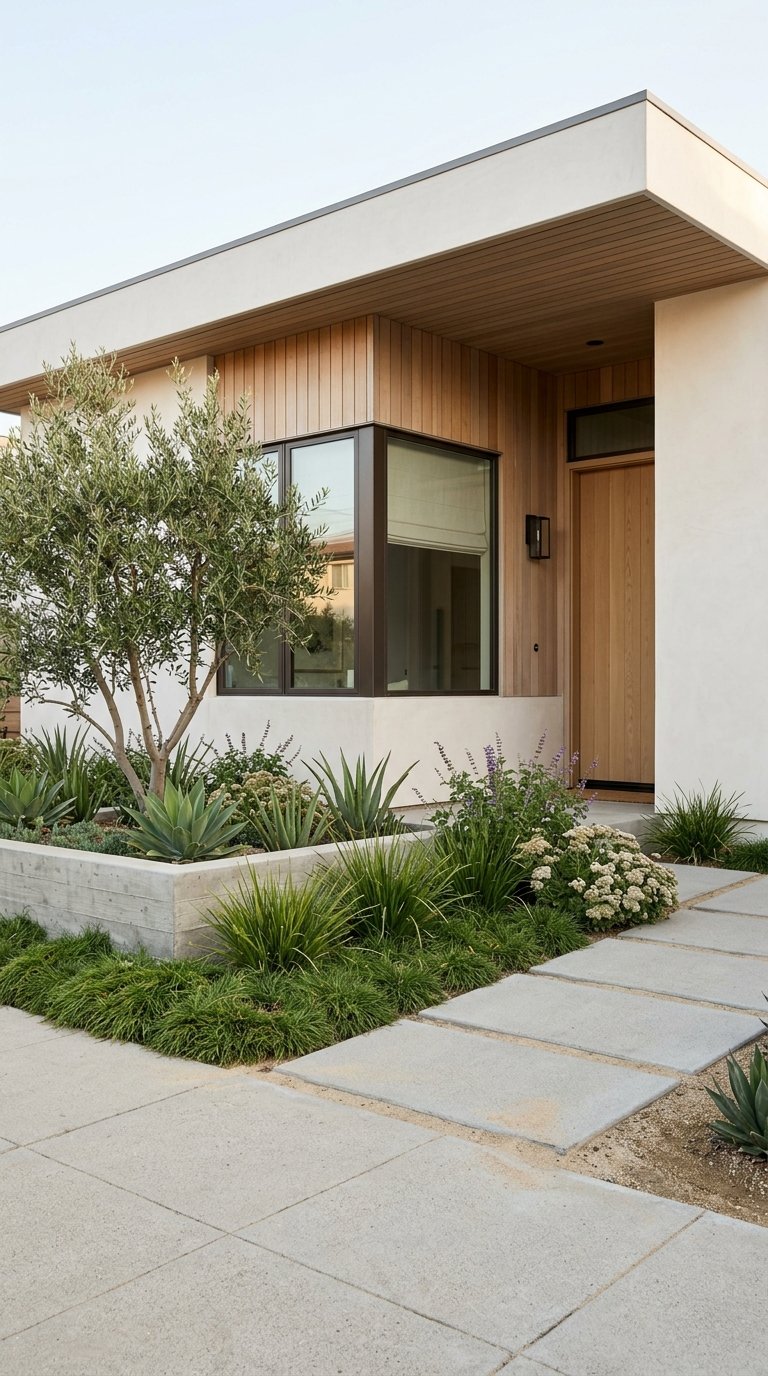
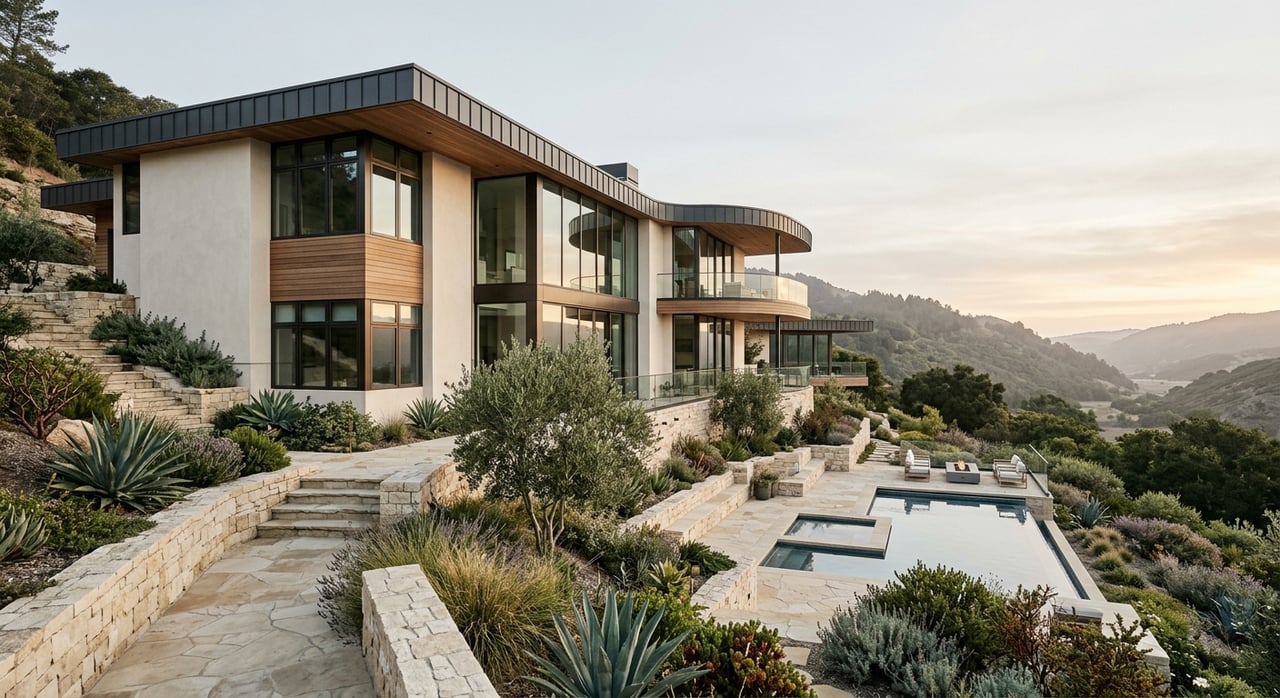
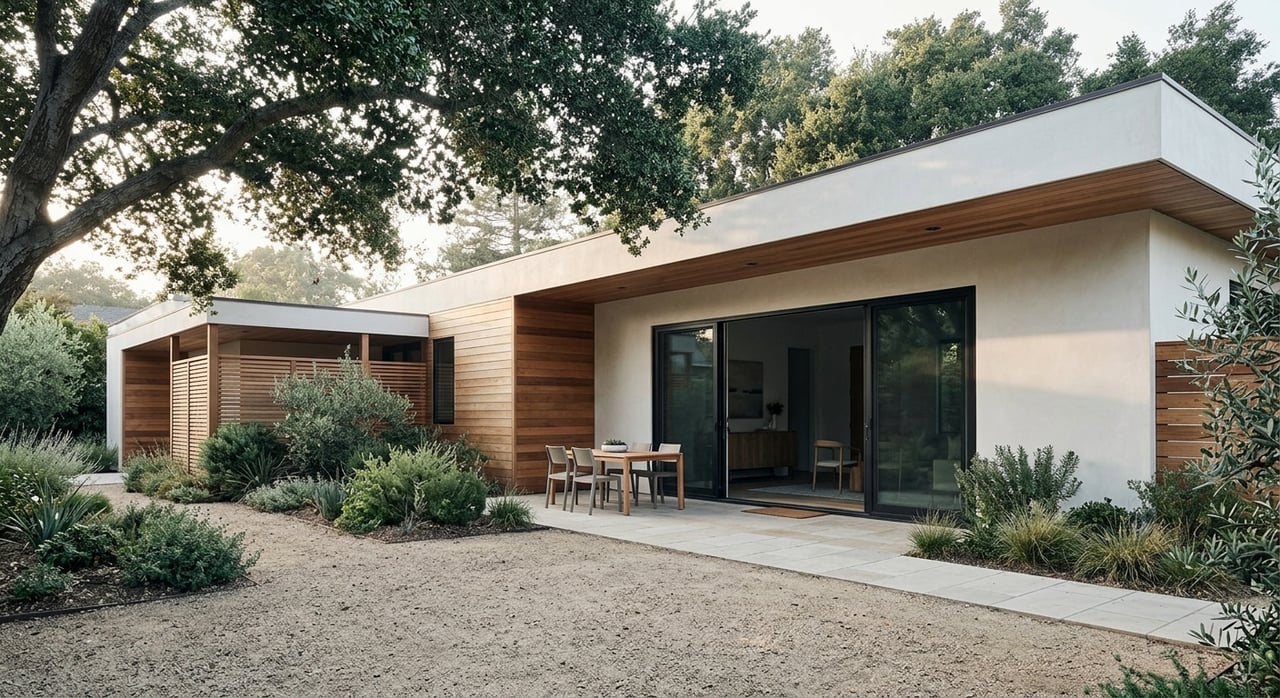
The East End is not defined by a single architectural style. Current listing examples include rustic ranch homes, haciendas, Santa Fe-inspired compounds, cottages, guest-house properties, and larger estate compounds with casitas or pool houses.
What ties these homes together is less about style and more about how they live. Many properties are designed around privacy, views, outdoor space, and room for guests. In this part of Ojai, buyers are often choosing a setting as much as they are choosing a floor plan.
That is a big part of the East End’s appeal. You can find a modest older ranch home on a smaller parcel, a renovated cottage with more land, or a luxury compound that centers on quiet outdoor living. The common thread is space, flexibility, and a slower pace.
Citrus groves shape the character
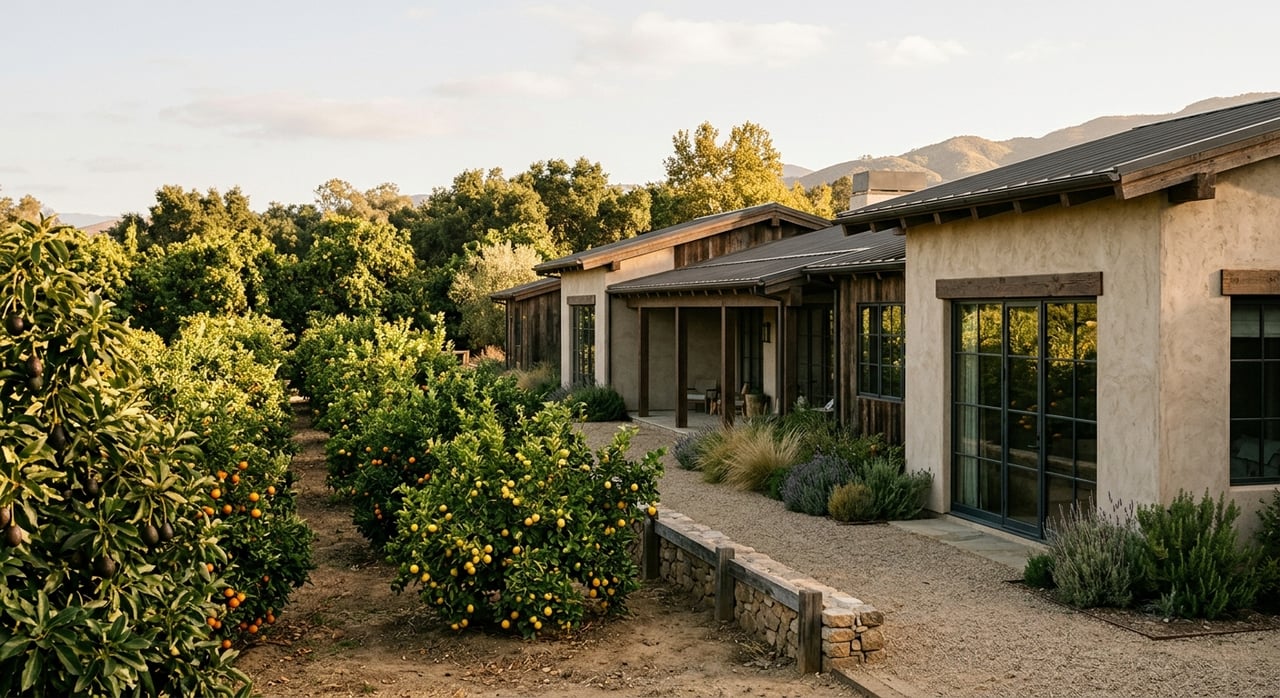
The East End’s agricultural feel is not just visual. It is rooted in the area’s history and land use. The Ojai Valley Land Conservancy notes that the East End Preserve was once home to walnut, citrus, and avocado orchards, which helps explain why orchard landscapes still feel central to the valley’s identity.
For many buyers, that is the emotional draw. Rows of citrus, mountain views, and open skies create a sense of place that feels hard to replicate. This is one reason East End properties can appeal so strongly to lifestyle buyers and second-home purchasers who want privacy without feeling disconnected from town.
If you are selling in this area, that land story matters too. Buyers are often responding to more than square footage. They are responding to the atmosphere, the privacy, and the way the property fits into Ojai’s agrarian landscape.
Acreage comes with practical considerations
In the East End, land can add beauty and flexibility, but it also adds responsibility. The Ojai Basin Groundwater Management Agency says the Ojai Basin lies under the City of Ojai and the East End, covers 6,471 acres, and includes about 149 wells that supply water to tree crops, mostly citrus and avocados, as well as residents and businesses.
The agency also notes that the basin can be rapidly depleted during drought, even though long-term management has been stable and its Groundwater Sustainability Plan was approved by the California Department of Water Resources in October 2023. For buyers looking at larger parcels, this is an important part of due diligence.
On acreage, the value is not just in having more land. You may also need to understand irrigation systems, grove maintenance, and the condition of any agricultural improvements. If a property includes orchards or other productive land, those details can shape both enjoyment and ongoing costs.
Quiet luxury means a different kind of convenience
The East End offers a quieter rhythm than living closer to central Ojai, but there is a trade-off. The city’s East Ojai Avenue guidance says the corridor does not currently have the typical mix of uses or amenities needed to attract a high level of pedestrian activity, even though the city wants it to become more pedestrian friendly over time.
That means you should expect a more car-dependent lifestyle for many daily needs. The City of Ojai says the valley is served by the Ojai Trolley and Gold Coast Transit, but the trolley is described as downtown-area transportation. For many East End residents, driving is still the practical choice for errands, dining, and services.
For the right buyer, that trade-off is exactly the point. You give up some immediate walkability in exchange for orchard views, more privacy, and a property that feels more rooted in the landscape. It is a lifestyle choice, not a compromise for everyone.
Safety and readiness matter on rural-feeling property
A rural setting also means thinking carefully about preparedness. The City of Ojai notes that California’s wildland-urban-interface communities face serious wildfire risk and encourages residents to follow CAL FIRE’s Ready, Set, Go approach. The city also says it has an Ojai Wildfire Resiliency Framework.
Ventura County Fire Department Station 21 serves the City of Ojai and the eastern Ojai Valley. For buyers considering privacy and larger parcels, wildfire readiness should be part of the property conversation from the start. Access, defensible space, and ongoing maintenance all matter when you are evaluating a home in this type of setting.
Who the East End may suit best
The East End tends to appeal to buyers who value land, quiet, and a strong sense of setting. It can be a fit if you are looking for a primary residence with more breathing room, a second home with a slower pace, or an estate property with room for guests and outdoor living.
It may also suit buyers who are comfortable with the realities of larger parcels. More land can mean more planning, more maintenance, and more attention to systems like water and landscaping. But for many people, that is part of what makes the East End feel special and worth the investment.
What sellers should understand
If you own property in the East End, your home’s value story may go far beyond interiors. Buyers in this segment often focus on parcel quality, privacy, views, guest accommodations, outdoor living, and how the land itself supports the lifestyle they want.
That means presentation matters in a very specific way. Clear positioning, thoughtful photography, and a marketing strategy that captures the property’s setting can help communicate why an East End home is different from a more typical in-town listing. For acreage and estate properties especially, buyers need help seeing both the experience and the practical value.
The East End in one sentence
Ojai’s East End offers a rare mix of open land, orchard character, architectural variety, and understated luxury, all within close reach of town. It is not the most urban part of Ojai, and it is not trying to be. Its appeal comes from space, landscape, and a quieter version of luxury that feels deeply connected to the valley.
If you are thinking about buying or selling in this part of Ojai, working with a local advisor who understands how to position acreage, lifestyle, and long-term value can make a meaningful difference. To explore East End opportunities with a tailored, high-touch approach, connect with Gabriela Cesena.
FAQs
What makes Ojai’s East End different from downtown Ojai?
- The East End is generally more open, agrarian, and low-density, with larger parcels, orchard landscapes, and less immediate walkability than the town center.
What lot sizes can you find in Ojai’s East End?
- Recent listing examples range from about 0.27 acres to more than 95 acres, while city land use guidance describes many rural residential areas as 2 to 10 acres.
What types of homes are common in Ojai’s East End?
- The area includes rustic ranch homes, haciendas, cottages, guest-house properties, and larger estate compounds, with an emphasis on privacy, views, and outdoor living.
Do East End Ojai properties often include citrus groves?
- Orchard character is a key part of the area’s identity, and the East End has historic ties to walnut, citrus, and avocado orchards.
What should buyers know about water in Ojai’s East End?
- The East End sits over the Ojai Basin, where wells serve both agriculture and residential uses, so buyers of larger parcels should pay close attention to water planning, irrigation, and property improvements.
Is Ojai’s East End walkable for daily errands?
- The area is generally less walkable than downtown Ojai, and many residents should expect to drive more often for errands, dining, and services.
What safety factor should buyers consider in Ojai’s East End?
- Because the area has a rural and wildland-urban-interface setting, wildfire readiness is an important consideration when evaluating property and planning ownership.