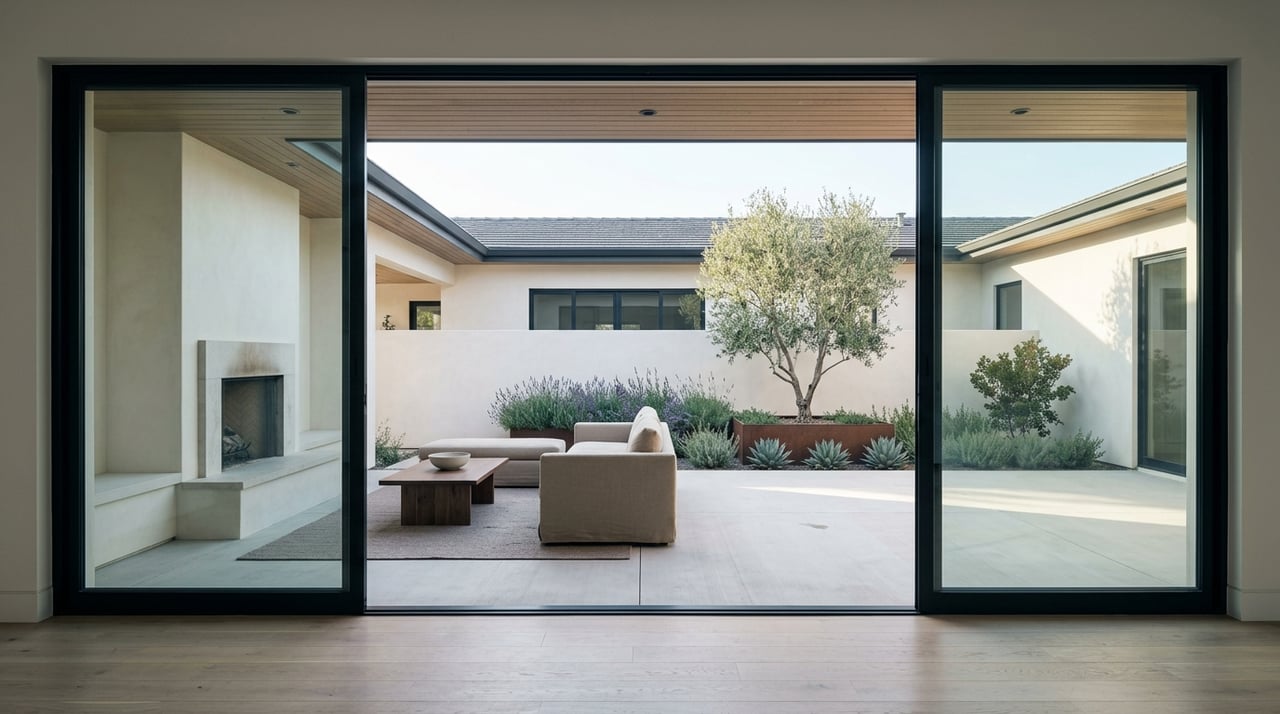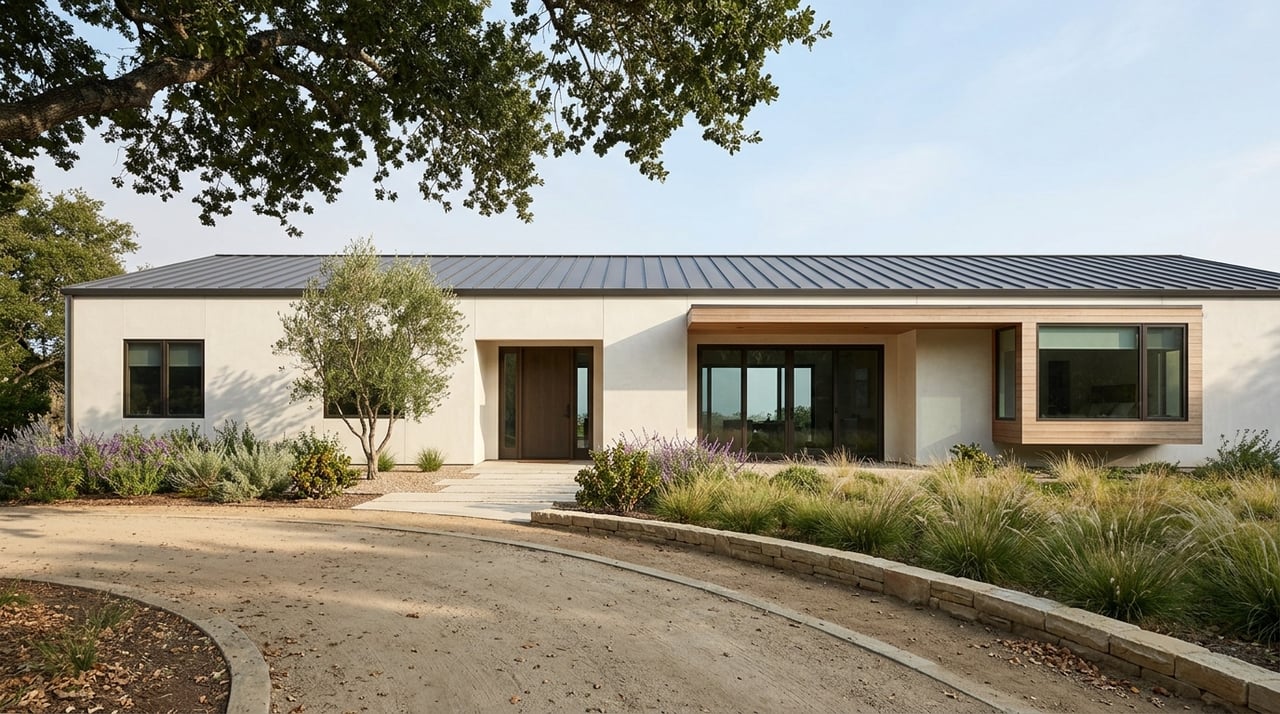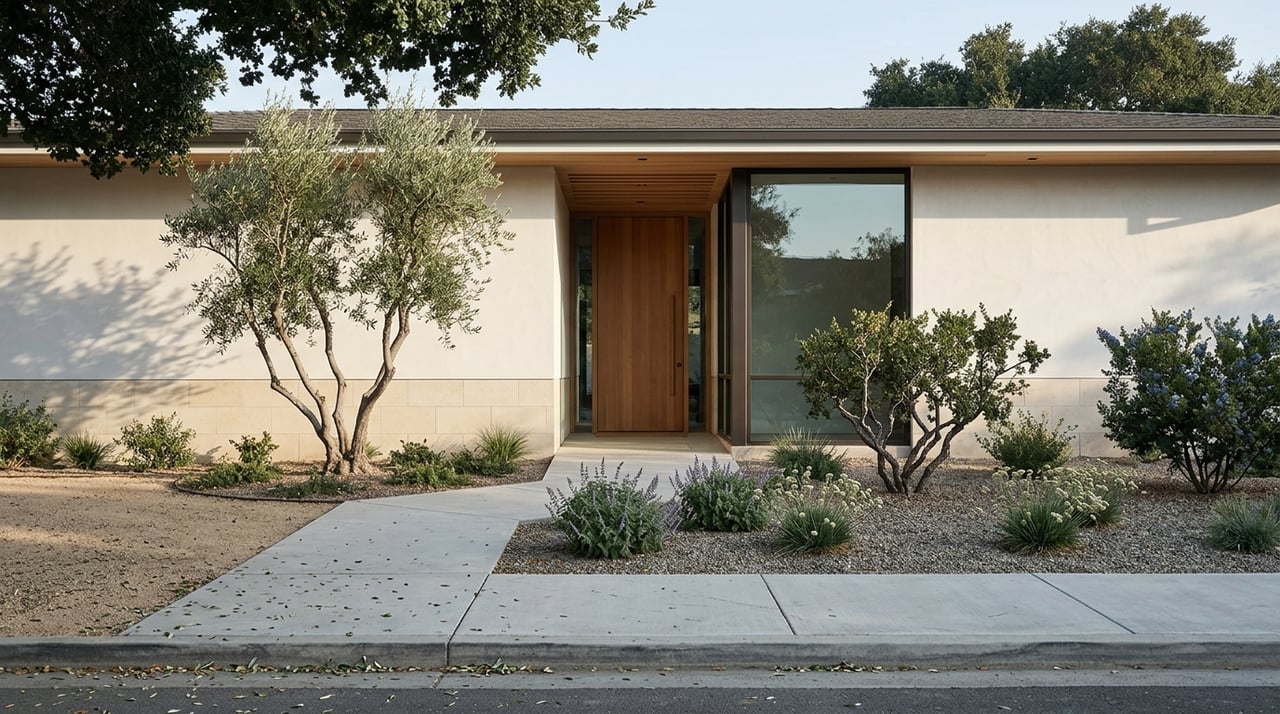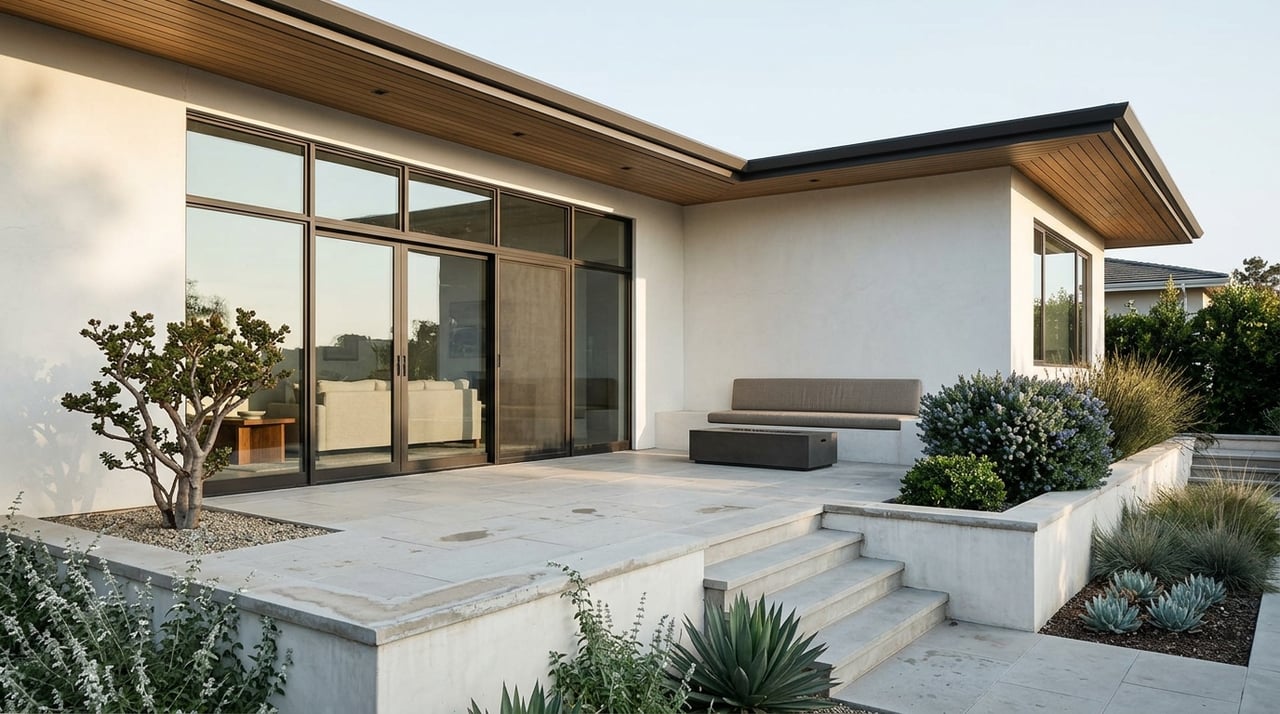
If you are drawn to Ventura Hills, you are probably not just shopping for square footage. You are looking for a home that captures light, views, privacy, and that elevated coastal feel that makes hillside living so distinctive. The good news is that Ventura Hills can offer all of that, but the best opportunities usually come down to layout, lot shape, and renovation potential as much as the home itself. Let’s dive in.
Why Ventura Hills feels different
Ventura has a broad architectural mix, from older in-town homes to coastal properties and hillside residences. In the hills, the setting plays an unusually big role in value because the city treats hillside land as a limited resource and emphasizes preserving natural character, minimizing grading, and siting living areas to take advantage of views.
That makes Ventura Hills a different kind of search. Instead of asking only whether you like the finishes or the bedroom count, you also need to look closely at how the house sits on the lot, how the rooms face the view, and how much flexibility the site gives you over time.
Ventura Hills vs. Midtown and Pierpont
Ventura Hills is best understood as a view-driven niche, not just an extension of the broader Ventura market. In May 2026, Ventura citywide showed a median sale price of $899,462 with 43 days on market in Redfin data, while Realtor.com reported a $999K median listing price, 348 active listings, and 55 days on market.
Nearby areas help show why the hills stand apart. Midtown posted a median sale price of $909,694, 53 days on market, and a 100.9% sale-to-list ratio, while Pierpont reached a median sale price of $2.224M and a median listing price of $2.747M, with listing prices around $1,037 per square foot. Read together, those figures suggest Ventura Hills belongs in a more nuanced category where views, privacy, and site geometry can matter as much as the basic citywide median.
Home styles you are likely to see
Ventura Hills includes a wide mix of architecture, which is part of its appeal. Recent hillside listings have featured California ranch homes, Spanish and Spanish Mediterranean designs, mid-century modern properties, and reimagined older homes.
That variety fits Ventura’s broader architectural history. The city notes Ventura’s long-standing Spanish Revival presence, and Mission Revival influences remain a natural fit on hillside sites with features like stucco walls, red tile roofs, deep window openings, and arched details.
In practical terms, style matters, but not in isolation. A simple ranch with a strong view side and usable outdoor space may offer more long-term value than a more decorative home with a weaker layout.
Lot patterns that shape value
In Ventura Hills, the lot can be just as important as the house. Recent examples include corner lots, oversized parcels, stepped yards, homes backing to open space, and properties with multiple decks or balcony levels that extend the living experience outward.
These details are not just visual perks. They often affect privacy, natural light, access, drainage, and the ease of future improvements. A corner lot or an existing flat pad can create options that a steeper, more constrained parcel may not.
Why layout matters so much
A great hillside home is not simply elevated. It is arranged so that the best living spaces actually enjoy the setting. Ventura’s hillside standards are very clear that living areas should be sited to maximize available views while limiting interference with neighbors’ views.
For you as a buyer, that means the strongest homes usually place the kitchen, dining, and living areas on the view side of the property. Secondary bedrooms, utility spaces, or flexible bonus areas often work better on the less valuable side of the lot.
Some recent listings show this clearly. One home pairs a picture window and upper deck with ocean and island views, another places the great room upstairs to open onto a balcony toward the Ventura Pier, and others use layered decks to create multiple outdoor zones. Those are the kinds of choices that can make a home feel dramatically better in daily life.
Indoor-outdoor flow is a real value driver
In Ventura Hills, outdoor living is often part of the main floor plan, not an afterthought. Decks, balconies, and terraced yards can act like extra living rooms when they are directly connected to the kitchen and great room.
This matters because buyers tend to respond most strongly to homes where the view is easy to enjoy. If you have to walk through a hallway, go downstairs, or step out from a secondary room to reach the best outdoor area, the experience may not feel as seamless.
When you tour a home, pay attention to how naturally the house moves outside. The most effective layouts make the transition feel effortless.
Renovation potential starts with the site
In Ventura Hills, renovation upside is often more about the site than the cosmetics. A beautiful kitchen update is one thing, but hillside property value can shift quickly depending on grading limits, drainage realities, and whether additions can fit the existing pad without major land disturbance.
Ventura requires grading plans for excavation and fill, and hillside areas have special requirements. The city limits cut-and-fill, discourages grading on slopes steeper than 30 percent except in limited access situations, and emphasizes natural contours, drainage, tree preservation, and view-sensitive siting.
That is why the cleanest renovation opportunities are often homes that already have a workable footprint. Interior modernization, façade updates, energy improvements, and permitted additions that fit within the existing site may offer a smoother path than projects that require substantial reshaping of the land.
Where renovation upside often looks strongest
If you want a property with long-term potential, several features tend to stand out in Ventura Hills:
- A clear view corridor already in place
- A usable corner location or relatively flat pad
- Minimal grading needs
- A layout that supports indoor-outdoor flow
- Enough original character to improve rather than replace
- Realistic accessory-space or ADU potential
- A clean permit and drainage history
These are often the details that separate a promising project from one that looks exciting at first glance but becomes much more complex once plans begin.
ADU potential can add flexibility
Ventura’s ADU program creates another layer of opportunity for some hillside properties. The city allows ADUs and JADUs in qualifying residential zones, offers standardized detached ADU plans for one-, two-, and three-bedroom units, and has local standards in place under Ordinance No. 2023-09.
On the right lot, that can create meaningful flexibility. An ADU may serve as guest space, room for extended family, or a rental-income option, depending on your goals and the property’s constraints.
Of course, hillside conditions still matter. Setbacks, access, site geometry, and the practical build area will shape what is realistic, so this is one area where lot analysis becomes especially important.
Older homes may come with added review
If you are considering an older hillside home, it is worth checking whether it falls within Ventura’s historic survey program. The city’s survey covers properties 40 years and older, does not automatically designate a property, and notes that potential landmarks may qualify for Mills Act tax relief.
At the same time, a major remodel or demolition request on a potential landmark can trigger added environmental review. As of June 2026, the city said the survey was nearing completion and scheduled for final City Council action on July 14, 2026.
For buyers, the takeaway is simple. If the home has age and character, verify its survey status early before you make assumptions about a major remodel.
Fire readiness is part of ownership
Hillside value is not only about views. It is also about stewardship. Ventura announced Ondulando as its first Firewise USA community in 2023, with residents committing to defensible space, community assessment, and other mitigation steps.
Combined with the city’s hillside planning language around fire risk, that makes fire-hardening and ongoing maintenance part of the long-term ownership picture. If you are comparing homes, pay attention to site maintenance, vegetation management, and how well the property appears prepared for hillside conditions.
What smart buyers should focus on
When you evaluate Ventura Hills homes, it helps to think in layers. Start with the view, but do not stop there. The stronger buy is often the home where the site, layout, and future improvement options all work together.
As you compare properties, focus on these questions:
- Are the main living spaces oriented toward the best views?
- Does the lot offer usable outdoor space, not just steep land?
- Would future improvements fit the site without major grading?
- Is there realistic ADU or accessory-space potential?
- Does the home have a permit, drainage, and maintenance story that makes sense?
- If the home is older, has its survey or review status been verified?
Those answers can tell you far more than finishes alone.
Why Ventura Hills attracts lifestyle buyers
For many buyers, Ventura Hills offers a very specific lifestyle blend. You get elevation, privacy, outdoor connection, and the possibility of ocean, island, or hillside views, often in homes with more individuality than you find in a typical tract neighborhood.
That is a big reason the area appeals to lifestyle-driven buyers, second-home purchasers, and people looking for a property they can thoughtfully improve over time. The right home here can feel calm, distinctive, and highly personal, especially when the architecture and site are working together.
If you are weighing homes in Ventura Hills, a careful read of the lot, the view orientation, and the renovation path can help you make a smarter decision from the start. And if you want expert guidance on identifying the properties with the strongest upside and the clearest path forward, Gabriela Cesena can help you evaluate Ventura Hills with a strategic, detail-focused approach.
FAQs
What makes Ventura Hills homes different from Midtown homes in Ventura?
- Ventura Hills homes tend to reward views, privacy, and lot geometry, while Midtown is more closely associated with Ventura’s older built fabric, vintage structure, and lot utility.
What should you look for in a Ventura Hills home layout?
- The strongest layouts usually place the kitchen, dining, and living spaces on the view side, with secondary rooms on the less valuable side of the lot.
What renovation issues matter most for Ventura Hills properties?
- Site-related factors often matter most, including grading limits, drainage, slope conditions, tree preservation, and whether improvements can fit the existing pad.
Can you build an ADU on a Ventura Hills property?
- Some Ventura Hills properties may qualify for an ADU or JADU, but feasibility depends on zoning, setbacks, access, and the specific constraints of the hillside lot.
Do older Ventura Hills homes need extra review before remodeling?
- They can. Ventura’s historic survey covers properties 40 years and older, and major remodel or demolition requests on potential landmarks may trigger added environmental review.
Why is fire readiness important for Ventura Hills homeowners?
- Fire readiness is part of long-term hillside ownership because defensible space, mitigation planning, and property maintenance all affect how well a home is prepared for hillside conditions.