Thinking about a condo in Downtown Ventura and wondering if lenders will say yes? You’re not alone. The word “warrantable” can make or break your financing, influence your interest rate, and even impact how quickly a home sells. In this guide, you’ll learn what warrantability means, how to spot issues early, and the financing paths available if a building doesn’t qualify. Let’s dive in.
What “warrantable” means
A condo is considered warrantable when it meets the project eligibility standards used by Fannie Mae and Freddie Mac. When a project qualifies, you usually gain access to conventional, conforming loans with competitive rates, lower down payments, and predictable underwriting.
If a project is non-warrantable, you may need a portfolio or jumbo loan. These often come with larger down payments, higher rates, or tighter documentation. FHA and VA have their own condo approval processes. Depending on the building, those can be options, but they are separate from conventional rules.
For sellers, non-warrantability can reduce the buyer pool and lengthen time on market. Getting ahead of the details helps you price and market with confidence.
Why Downtown Ventura sees issues
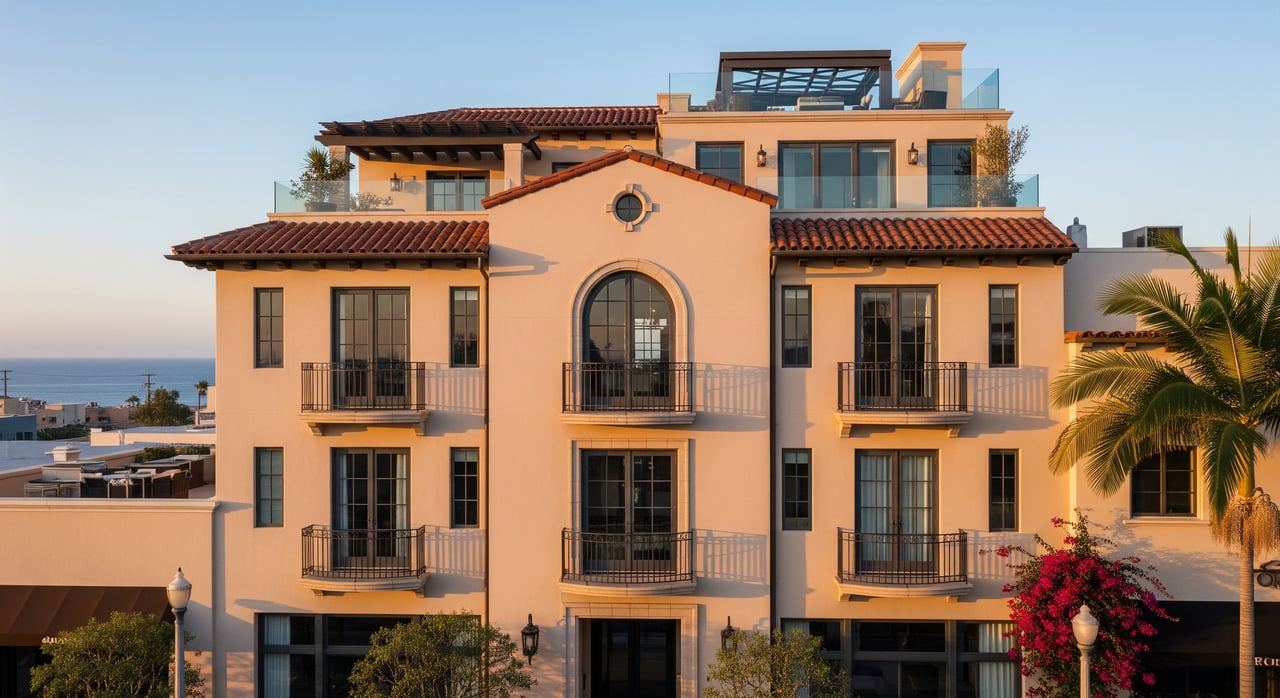
Downtown Ventura blends older coastal buildings with mixed-use and live/work properties. That mix creates lifestyle appeal, but it can also introduce underwriting questions. Coastal exposure can accelerate wear on roofs, balconies, and exterior systems. Older buildings may show deferred maintenance.
Insurance is another pressure point along the Ventura coast. Limited carrier availability and rising costs can lead to gaps or policy exclusions that lenders flag. In downtown locations, higher investor activity, short-term rentals, or single-entity ownership concentrations can also affect eligibility.
Quick warrantability check
Before you write an offer or list a unit, ask for these documents. A quick scan can save weeks of uncertainty later.
- Current and prior-year HOA budgets
- Most recent reserve study and reserve funding policy
- Financial statements for the past 12–24 months
- HOA meeting minutes for the past 12–24 months
- Master insurance certificates and declarations
- Delinquency report for HOA dues
- Owner occupancy roster and any rental cap records
- Records of pending or past litigation
- Resale disclosure packet with any planned special assessments
Focus on reserves, delinquencies, litigation, insurance, and occupancy. If anything is missing, ask for a written explanation or updated records.
What to look for
Reserves and special assessments
You want to see a recent reserve study and a budget that funds reserves consistently. Repeated or large special assessments can signal chronic shortfalls. If a building is planning a major repair without clear funding, lenders may hesitate.
Insurance adequacy
Confirm property, liability, and fidelity coverage on the master policy. Look for required endorsements and review deductible levels. Along the coast, insurers may tighten standards, so make sure there are no gaps or moratoria noted by the carrier.
Occupancy and rentals
Check the owner-occupant versus investor mix and any rental caps. Widespread short-term rentals can push a project out of compliance. Confirm the CC&Rs reflect current rental and use policies and that the HOA enforces them.
Single-entity and commercial mix
If one owner or entity holds many units, that can be a problem. Mixed-use buildings with significant retail or office space fall under specialized reviews, and some setups are ineligible for certain loan programs.
Litigation and building condition
Pending HOA litigation, especially around construction defects or insurance disputes, can limit financing options. Evidence of structural issues or deferred maintenance is another red flag. Meeting minutes often reveal early signs of these concerns.
Financing options if non-warrantable
If a building doesn’t meet conventional standards, you still have options. Your path depends on the specific issues and your goals.
- Portfolio or jumbo loans from banks or credit unions that keep loans in-house
- Portfolio programs tailored to small associations or mixed-use complexities
- FHA or VA loans if the project appears on their approved lists
- Renovation or construction-oriented financing for major repairs impacting habitability
- Cash purchases or seller financing, when available and appropriate
- Short-term bridge financing while building conditions or use profiles are corrected
Each option has tradeoffs. A portfolio loan may offer flexibility but require more money down. FHA or VA can be viable if the building is approved under those programs.
Buyer steps to avoid surprises
Before touring
- Ask your agent to check whether the building has a recent sale financed conventionally. It’s not a guarantee, but it’s a helpful signal.
- Engage a lender early and provide the property address. Ask for a preliminary project review and whether the lender has financed there before.
- Request a resale packet or key HOA documents upfront when possible.
During escrow
- Order the HOA resale and disclosure packet immediately.
- Have your lender review reserves, insurance, delinquencies, and occupancy data quickly.
- If the lender flags an issue, ask which criterion failed and whether a remedy is possible within your timeline.
If the project is flagged
- Explore portfolio or jumbo options with your lender.
- Consider an FHA or VA pathway if the building appears on those agency approval lists.
- Adjust terms if needed, such as a longer escrow to allow the HOA to update documents or approve funding.
Seller steps to improve eligibility
- Gather a complete, current resale packet before listing.
- Share the most recent budget, reserve study, insurance certificates, and meeting minutes.
- If small deferred maintenance items are noted, consider addressing them ahead of market.
- Clarify rental and short-term rental policies in the CC&Rs and confirm enforcement procedures.
- If litigation is pending, know the scope and timeline, and have documentation ready for buyers and lenders.
- If reserves are underfunded, discuss budget adjustments with the board. A clear funding plan can help.
These steps help you set expectations, justify pricing, and reduce fallouts once in escrow.
Short-term rentals and eligibility
Downtown coastal locations often attract short-term rental demand. Lenders look closely at how many units operate as short-term rentals, whether the CC&Rs permit them, and whether the HOA enforces its rules. If you plan to pursue a loan that relies on conventional standards, confirm compliance in both city rules and HOA documents. Unpermitted or widespread short-term rentals can limit financing options.
Mixed-use and single-entity risks
Some Downtown Ventura buildings include ground-floor commercial space or live/work layouts. These can qualify under specific review categories, but not all do. If you’re looking at a mixed-use project, get precise details on the commercial square footage and tenant mix.
Also check ownership concentration. If one investor or developer holds a significant share of units, many lenders will not approve a conventional loan until ownership is more dispersed.
Becoming warrantable again
A non-warrantable project today is not necessarily non-warrantable forever. If the issue is incomplete documentation, reserve funding adjustments, or modest repairs, timelines can be short. Larger items like litigation or structural remediation can take more time.
Ask your lender which criteria are failing. Then work with the HOA to see if a practical remedy exists. Clear communication and updated records often make the difference.
Work with local lenders and a prepared team
In Ventura County, community banks and credit unions often offer condo-friendly portfolio products. Local lenders familiar with downtown buildings can move faster because they understand common HOA structures, coastal insurance, and mixed-use setups.
As your agent team, we coordinate early document requests, lender outreach, and strategy adjustments if a building hits a snag. That way, you can keep momentum and make confident decisions.
Ready to align your condo goals with the right financing path? Schedule your consultation with Ceseña Luxury Properties to discuss your next steps.
FAQs
What does “warrantable” mean for a Downtown Ventura condo?
- It means the condo project meets Fannie Mae or Freddie Mac standards so you can use conventional conforming financing with typical rates and terms.
How do short-term rentals affect condo financing?
- High levels of short-term rentals can push a project over rental caps or conflict with CC&Rs, which may make the project ineligible for some conventional loans.
Can I get a conventional loan if the project is non-warrantable?
- Generally no under GSE programs, but lenders may offer portfolio or jumbo options that can work with different terms and down payment requirements.
What should I review first in the HOA documents?
- Start with the current budget, reserve study, insurance certificates, delinquency report, and meeting minutes to gauge reserves, risk, and governance.
Are mixed-use buildings harder to finance downtown?
- They can be, because lenders review the commercial component and project type closely. Some mixed-use setups qualify, while others fall outside conventional guidelines.
How fast can a project become warrantable again?
- Timing depends on the issue. Documentation or budget fixes might take weeks to months, while litigation or structural repairs can take longer.