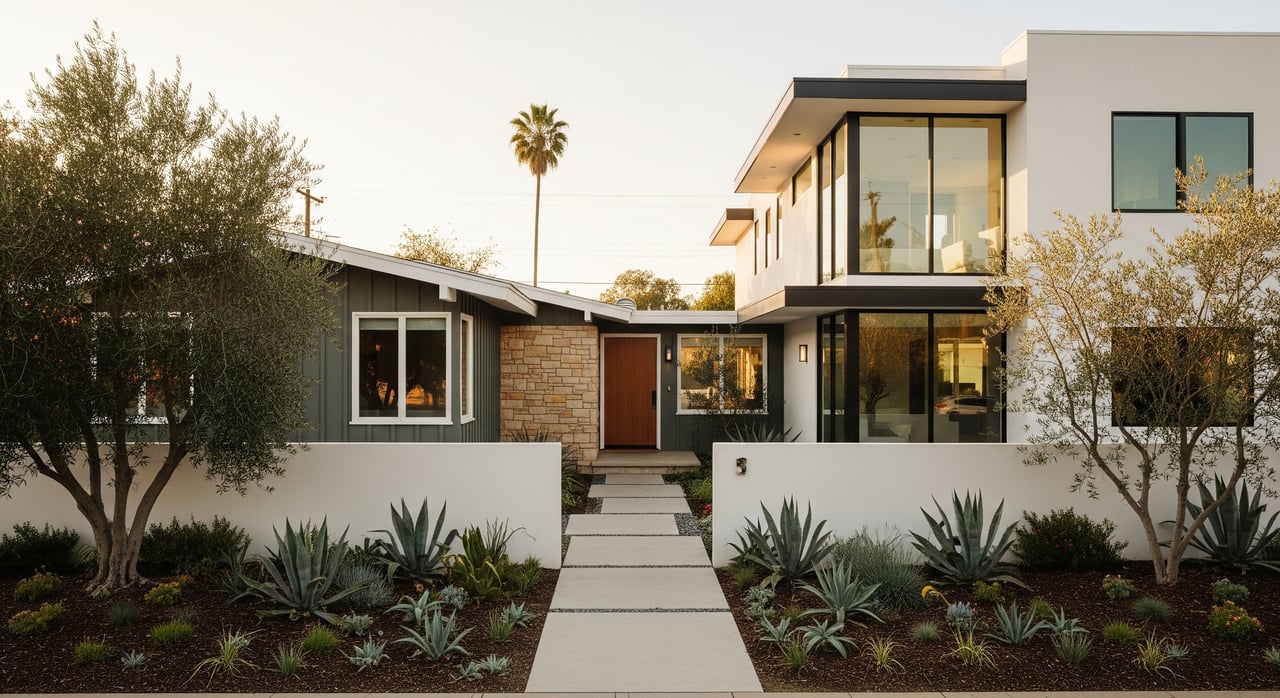
Torn between a mid-century charmer and a sleek modern home in Midtown Ventura? You’re not alone. This coastal neighborhood offers both styles, each with its own rhythm of living, upkeep, and long-term value. In this guide, you’ll learn how the two compare on lifestyle, maintenance, inspections, and resale so you can choose with confidence. Let’s dive in.
Midtown Ventura context
Midtown sits close to downtown Ventura and the coastline, so you’ll enjoy mild temperatures, a marine breeze, and morning coastal fog. That coastal exposure influences how homes weather over time. Salt air can shorten exterior paint life and speed up metal corrosion, and winter rains can test drainage and roof integrity.
As with many California coastal cities, it’s smart to check local hazard considerations such as flood maps, tsunami evacuation zones, and seismic risk. You can review details through local and state resources and verify property-specific history with the City of Ventura and the Ventura County Assessor.
Mid-century homes: what you’ll love
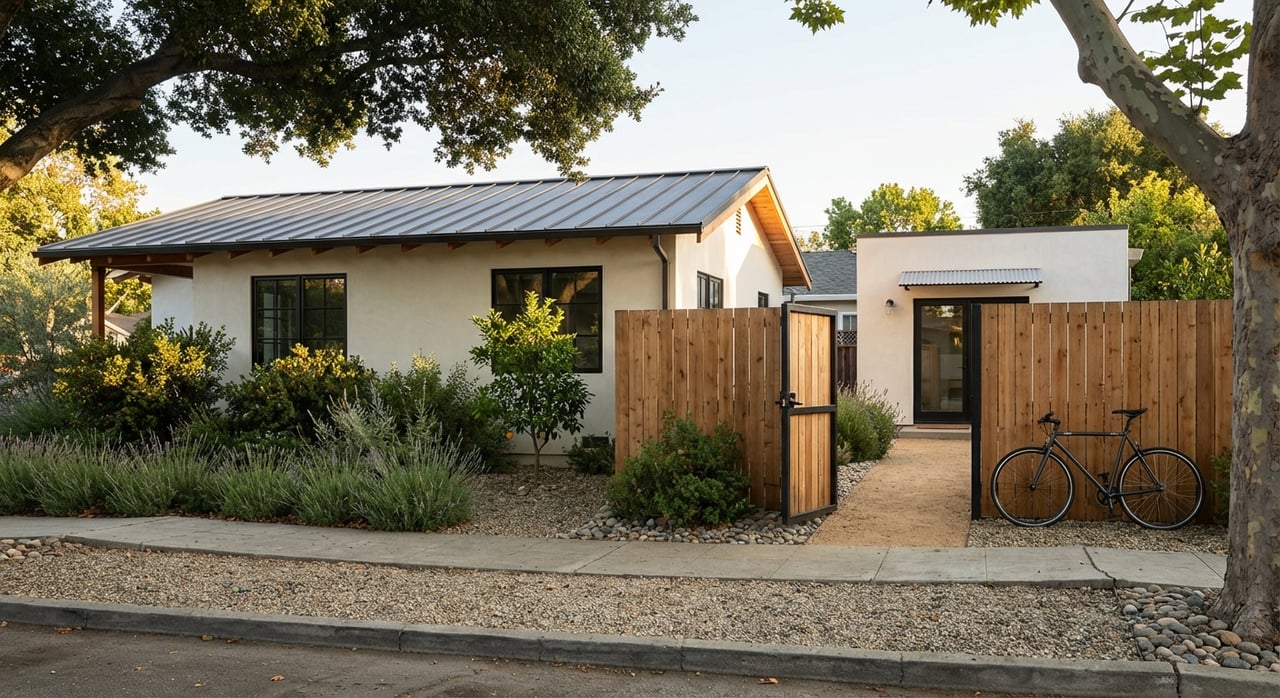
Mid-century homes in Midtown often feature single-story ranch or mid-century modern lines with lower roof profiles, clerestory or wide horizontal windows, and strong indoor-outdoor connections. Many include original wood, plaster, and stucco, along with post-and-beam or open-beam ceilings in some cases.
Lifestyle-wise, these homes offer authentic character and an easy connection to patios and courtyards. If you enjoy period details and want to shape a home over time, the mid-century canvas can be very rewarding.
Mid-century trade-offs
Floor plans may be smaller, with distinct living and dining rooms instead of a fully open layout. Kitchens and baths can feel compact by today’s standards, storage may be limited, and some homes have lower ceiling heights. You may also find single bathrooms in certain models.
Modern and renovated homes: what you’ll love
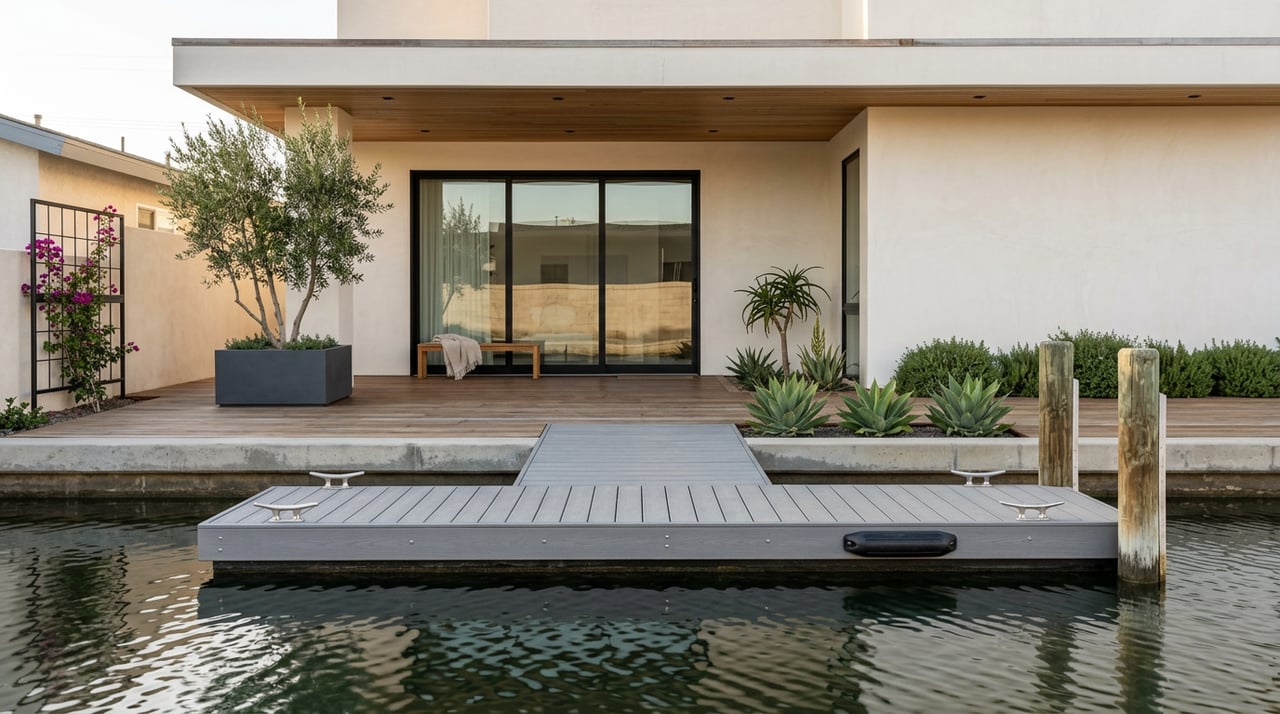
Modern builds and high-quality renovations tend to prioritize open-plan living that integrates the kitchen and great room. Expect larger energy-efficient windows, updated mechanical systems, multi-zone HVAC, and improved insulation. Primary suites and multiple bathrooms are common, and layouts often include flexible spaces for an office.
These homes fit buyers who want turnkey comfort, energy-efficient systems, and less immediate maintenance. If you value convenience and contemporary finishes, the modern route usually aligns well.
Modern trade-offs
Some infill builds sit on smaller lots or have reduced yard space. While contemporary styling can feel clean and timeless, it may read as less character-forward if you love original period details.
Maintenance and inspections that matter
Older homes often concentrate costs in foundational systems and building envelope work, while newer homes shift costs to technology updates and future wear items. Either way, targeted inspections help you avoid surprises and budget realistically.
Recommended professionals to consider:
- Licensed general home inspector
- Structural engineer for foundation or seismic concerns
- Licensed electrician and plumber
- Pest and termite inspector
- Hazardous materials testing for lead and asbestos in pre-1978 homes
- Roofer with coastal experience
- HVAC contractor familiar with heat pumps and duct sealing
Mid-century priority checks
- Building envelope and moisture: roof age and flashing, stucco condition, window seals, and any single-pane glass. Coastal salt spray can accelerate corrosion and paint wear.
- Structural and seismic: look for cripple wall bracing, bolted sill plates, and chimney reinforcement. Ask for a structural review if you see foundation cracks.
- Electrical: older wiring types, two-prong outlets, and undersized panels can limit capacity for modern appliances or EV charging.
- Plumbing: galvanized or cast-iron components can clog or corrode over time. Confirm water heater age and seismic strapping.
- Hazardous materials: confirm testing or disclosures for lead-based paint and potential asbestos.
- Termites: wood-framed coastal homes benefit from a thorough termite inspection.
- Energy: insulation, window efficiency, and air sealing are common upgrade opportunities.
- Permits: verify that additions and remodels were permitted through the City of Ventura.
Modern and renovated priority checks
- Systems: confirm installation dates, service records, and any transferrable warranties for HVAC, electrical, and water heaters.
- Materials and finishes: understand expected lifespans for engineered floors and composites, especially under coastal conditions.
- Code compliance: newer homes should align with current California building codes and Title 24 energy standards. Verify final inspection sign-offs or certificates of occupancy where applicable.
- Site drainage: infill lots can alter grading. Confirm that stormwater moves away from the home and into approved pathways.
Cost, financing, and insurance considerations
- Financing: older homes sometimes need repairs to meet FHA or VA appraisal standards. If you plan a renovation, consider loan products designed for improvements like FHA 203(k) or Fannie Mae Homestyle.
- Insurance: coastal locations can influence premiums and availability. Check coverage limits with private insurers and understand the California FAIR Plan as a potential backstop.
- Hazard overlays: flood or tsunami zones may affect lending and insurance requirements. Review FEMA maps and local planning information before you write an offer.
Resale and value strategy
Mid-century style remains popular, and well-preserved period details can make a listing stand out. That said, updated kitchens and bathrooms tend to have broad appeal and strong perceived value. The best outcomes often blend preservation with smart modernization.
Energy upgrades like improved insulation, efficient windows, heat pumps, and solar can make a meaningful impact in California. They support day-to-day comfort and can strengthen your marketing story when it’s time to sell.
Avoid unpermitted work. It can complicate appraisals, lending, and escrow. When in doubt, verify permit history and bring work up to code.
ADUs and expansion potential
California’s ADU laws are relatively permissive, and many Midtown lots make accessory dwelling units worth exploring. Final feasibility depends on local regulations, lot size, setbacks, and utilities. Coordinate early with the City of Ventura Planning and Building divisions for approvals, and confirm utility requirements before investing in design.
Touring checklist for Midtown Ventura homes
Use this list during showings. Take notes and photos so you can follow up with specialists.
- Orientation and outdoor space: yard size, sun exposure, privacy, drainage, and proximity to traffic. Consider walkability to shops, downtown, and beaches.
- Roof: age, material, visible sagging, condition of flashing, and signs of recent repairs.
- Exterior: stucco cracks, paint wear from salt air, and caulking around windows and doors.
- Windows and doors: single vs double pane, operation, and any corrosion or rot.
- Foundation and structure: floor slope, visible cracks, and interior wall or ceiling cracks.
- Systems: HVAC type and age, water heater age and location, electrical panel rating, and visible plumbing materials.
- Moisture and pests: stains, musty odors, attic or crawlspace moisture, and any termite evidence.
- Permits and additions: ask for records on remodels or add-ons.
- Neighborhood context: proximity to daily conveniences and potential noise from highways or coastal activities.
Extra checks for mid-century:
- Original materials that may need special care, like built-ins, wood trim, or terrazzo.
- Lead and asbestos disclosures for pre-1978 homes.
- Electrical capacity for modern appliances and EV charging.
Extra checks for modern/newer:
- Builder or contractor warranties and any transfer process.
- Title 24 energy features and whether solar or EV infrastructure is included.
Which fits you? A quick decision guide
Choose mid-century if:
- You value original character and indoor-outdoor flow.
- You are comfortable planning phased updates to systems, energy efficiency, and finishes.
- You want a home with architectural personality that you can refine over time.
Choose modern or recently renovated if:
- You want an open-plan layout, multiple baths, and a turnkey experience.
- You prefer energy-efficient systems and lower immediate maintenance.
- You need flexible spaces for work and guests right away.
Your next step
Whether you’re drawn to the soul of a mid-century original or the ease of a modern build, the right due diligence is everything. Our team can help you compare properties side by side, coordinate specialized inspections, and plan upgrades with trusted local vendors so your Midtown Ventura move feels seamless.
Ready to tour with a clear plan? Connect with Gabriela Cesena to map your criteria, preview on- and off-market opportunities, and position your purchase with confidence.
FAQs
What are the biggest differences between mid-century and modern homes in Midtown Ventura?
- Mid-century offers character, defined rooms, and indoor-outdoor flow with potential system upgrades, while modern or renovated homes prioritize open layouts, energy efficiency, and turnkey systems.
How does the coastal climate affect home maintenance in Midtown Ventura?
- Salt air can speed paint wear and metal corrosion, and winter rains test roof and drainage, so exterior maintenance and moisture management are key.
Which inspections matter most for a mid-century purchase in Midtown Ventura?
- In addition to a general inspection, prioritize structural and seismic checks, electrical and plumbing reviews, termite inspections, and testing for lead-based paint or asbestos when applicable.
Are ADUs feasible on Midtown Ventura lots?
- Often yes, but feasibility depends on local rules, setbacks, and utilities. Coordinate early with City of Ventura Planning and Building to confirm requirements.
How do financing and insurance differ for older coastal homes in Ventura?
- Some older homes may need repairs for FHA or VA appraisals, renovation loans can help fund updates, and coastal locations can influence insurance premiums and coverage options.