Looking for a Ventura neighborhood that feels charming and practical at the same time? Midtown often stands out for exactly that reason. If you want older-home character, everyday convenience, and easy access to both central Ventura and the shoreline, this area offers a compelling mix. Let’s take a closer look at what living in Midtown Ventura actually feels like.
Where Midtown Sits in Ventura
Midtown Ventura is part of the city’s Midtown-Downtown economic subarea. In practical terms, that means it is closely tied to central Ventura, especially along Main Street and Thompson Boulevard, where the city’s Midtown Corridors Development Code focuses much of its planning attention.
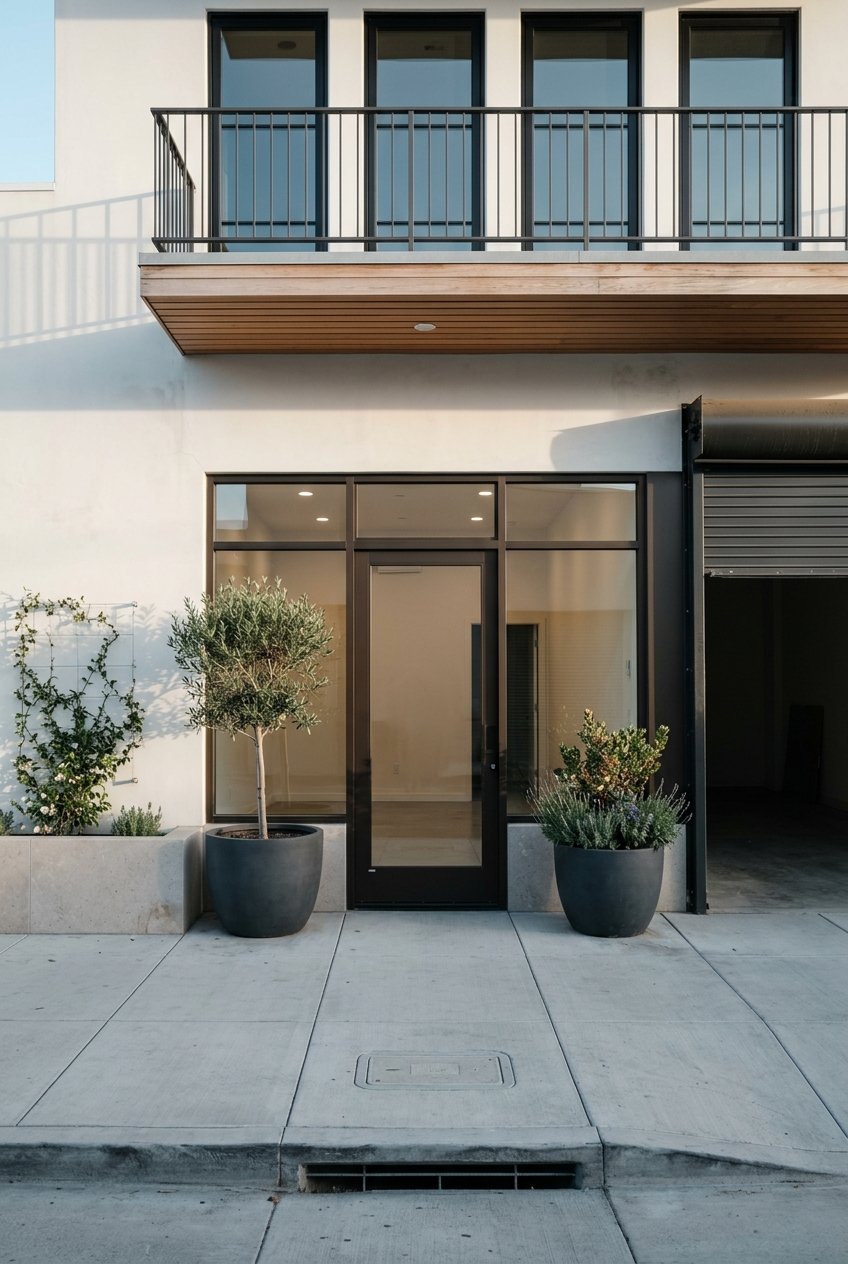
That setting gives Midtown a distinct feel. It reads less like a single master-planned neighborhood and more like a layered, mixed residential-commercial area where homes, small businesses, offices, and healthcare uses all exist near one another.
Compared with Downtown Ventura, Midtown generally feels more residential. Compared with some of Ventura’s outer areas, it feels more central, more service-oriented, and more connected to daily needs.
Midtown Homes and Architecture
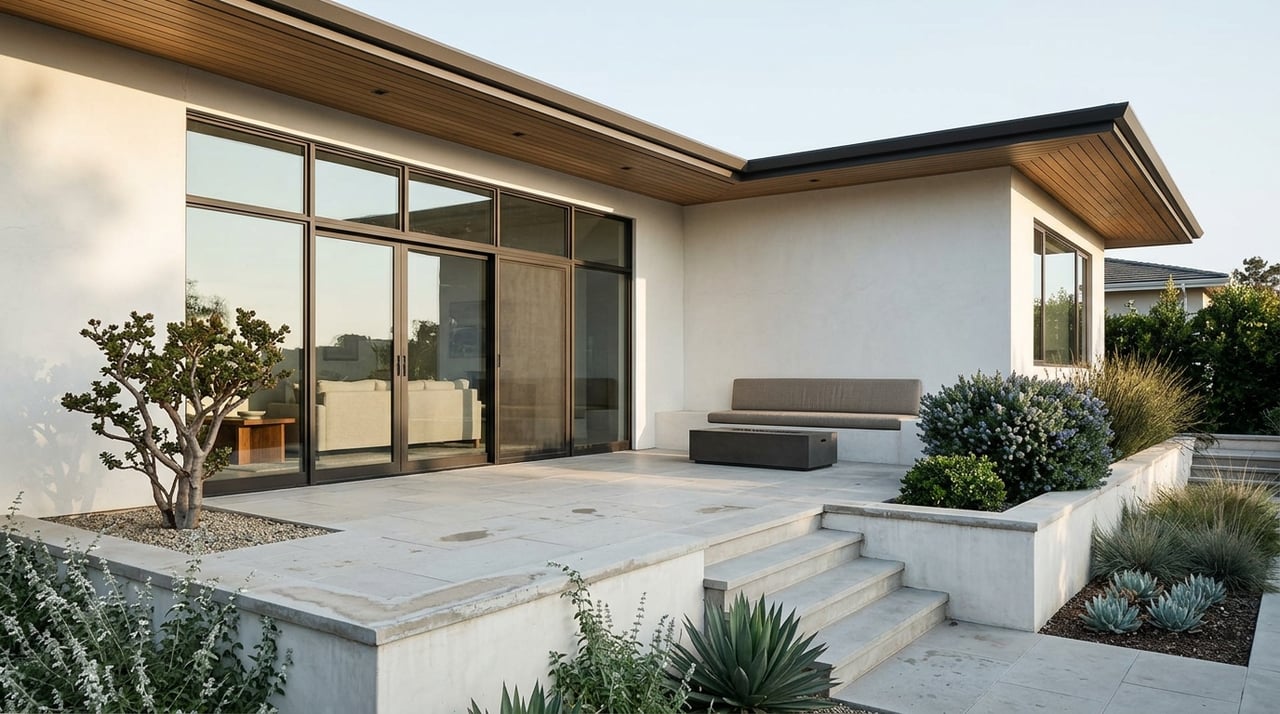
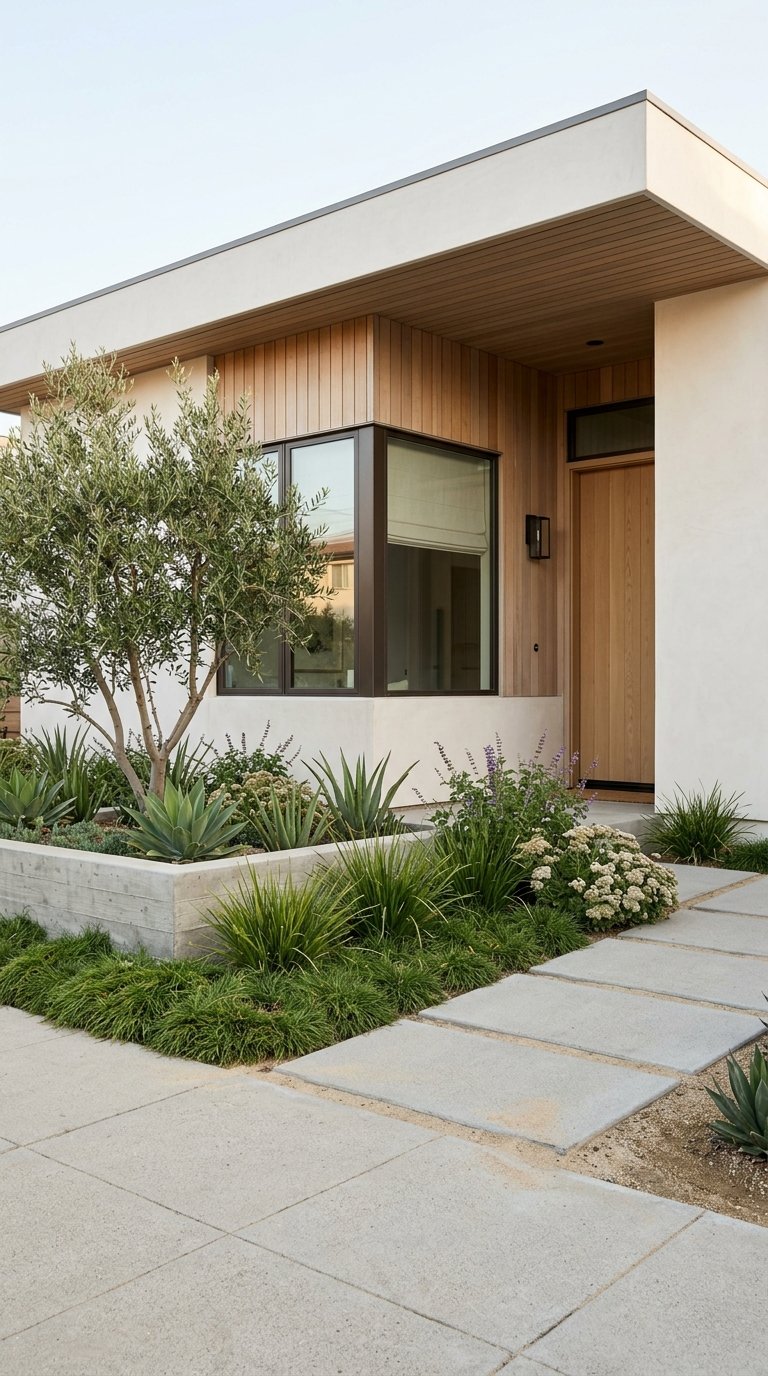
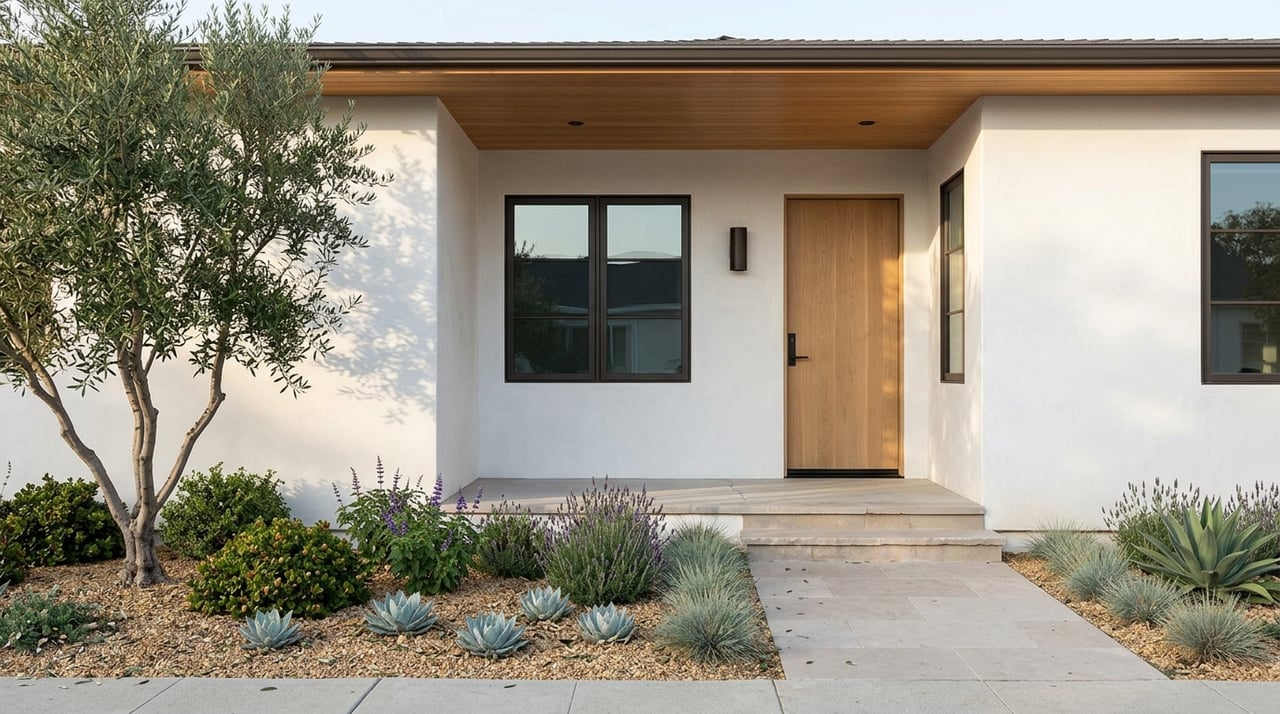
If you are drawn to homes with personality, Midtown has real depth. The neighborhood reflects Ventura’s major growth era in the 1920s, when subdivision tracts were laid out across the area between 1921 and 1930.
One of the most common architectural influences from that period is Spanish Colonial Revival. You will also find early-20th-century single-family homes from roughly 1910 to 1930 in Victorian-era, Craftsman, and other Period Revival styles.
That is only part of the story. Midtown also includes early multifamily properties such as bungalow courts, duplexes, fourplexes, and apartment houses, along with later mid-century homes built between 1930 and 1970 in Minimal Traditional, Mid-century Modern, and Ranch styles.
This layered mix is a big reason Midtown feels visually interesting without feeling disjointed. As you move from block to block, the architecture changes, but the area still holds together as a recognizable part of Ventura.
Historic Districts Add Context
Midtown is not simply a place with older houses scattered throughout. The city’s 2025 historic resources list identifies multiple residential historic districts in the area, including Buenaventura Tract, Catalina Street, Dalton/Brent, Emma Avenue, Hobson Heights, and Island View Drive.
Those district names matter because they show how many different development periods shaped Midtown. For buyers, that can mean more variety in home style, lot layout, and overall streetscape.
Why Bungalows Still Define the Feel
The word “bungalow” comes up often when people describe Midtown, and for good reason. Early residential patterns in the area included small-scale homes and multifamily formats that created a comfortable street presence and a human-scaled neighborhood feel.
Even when a home is not technically a bungalow, Midtown often delivers the qualities buyers associate with one: approachable architecture, period charm, and a closer connection to the street. That makes the neighborhood especially appealing if you want character without feeling far removed from everyday conveniences.
Cafes and Daily Convenience
Midtown’s commercial identity is less about nightlife and more about daily usefulness. This is where the neighborhood’s appeal becomes very practical.
Current local examples include Art’s Corner Café on East Thompson Boulevard, Allison’s Country Cafe in Midtown, and Singing Sun Coffee on East Main Street. Together, they reinforce Midtown’s reputation as a place where coffee, brunch, and casual daytime stops are part of the rhythm of daily life.
For many buyers, that kind of convenience matters as much as architecture. Being able to stay close to coffee, a quick meal, professional services, and appointments can shape how easy a neighborhood feels over time.
A More Lived-In Commercial Pattern
Midtown’s business corridors tend to feel everyday-oriented rather than purely destination-based. The city’s economic analysis notes that the Midtown-Downtown area includes retail on major arterials, a high concentration of small office space, and a large amount of medical office and hospital use.
That mix helps explain why Midtown often feels active without feeling overly tourist-centered. It supports routines, not just outings.
Healthcare Access Is a Major Advantage
One of Midtown Ventura’s strongest practical benefits is its proximity to healthcare. Community Memorial Hospital is located at 147 North Brent Street and serves as a major hospital presence in Ventura, with 250 private rooms, an expanded emergency department, operating suites, catheterization labs, and diagnostic imaging.
Ventura County Medical Center is also nearby at 300 Hillmont Avenue. It operates as a fully integrated hospital, clinic, and specialty-service system.
The City of Ventura’s recognition of timed-parking medical districts further points to the concentration of healthcare services in this part of town. For buyers who value central access to appointments, specialists, or hospital services, this is a meaningful advantage.
Coastal Convenience Without a Resort Feel
Midtown is not directly on the sand, but it offers strong access to the shoreline. San Buenaventura State Beach is the key nearby beach anchor, located next to downtown Ventura.
According to California State Parks, the beach includes two miles of sandy shoreline, a pier, picnic areas, and access to the Omer Rains Coastal Bike Trail. Bike trails also connect nearby beaches and the Ventura Pier.
That means Midtown can work well if you want beach access as part of your lifestyle without living in an area defined only by visitor activity. You get a more grounded residential setting while staying close to the coast.
How Midtown Compares to Other Ventura Areas
Midtown often appeals to buyers who want a middle ground. It offers more central access than many outer neighborhoods, but it usually feels more residential than Downtown.
If you compare Midtown with Downtown Ventura, Downtown is better known for cultural attractions, restaurants, and boutique retail. Midtown, by contrast, tends to feel more lived-in, with a stronger balance of residential streets, service businesses, and healthcare uses.
If you compare Midtown with Ventura’s more suburban or outer-edge areas, Midtown tends to feel more compact and more amenity-rich. You are closer to daily services, central corridors, and shoreline connections, which can make day-to-day life feel simpler.
Walkability and Street Design
Ventura’s Active Transportation Plan, adopted in December 2023, is focused on making walking, biking, and transit better choices. Midtown aligns well with that goal because planning and redevelopment in the area emphasize frontage, sidewalks, and a more pedestrian-friendly experience along Main Street and Thompson Boulevard.
The city’s economic analysis also notes that facade and sidewalk improvements have helped attract new tenants and keep vacancy low in the Midtown-Downtown area. That adds another layer to Midtown’s appeal: it is not only centrally located, but also shaped by continued investment in how people move through and use the neighborhood.
Who Midtown Often Appeals To
Midtown can be a strong fit if you value older-home character with central convenience. The neighborhood’s architectural variety, cafe cluster, healthcare access, and proximity to the beach give it a distinctive balance that is hard to replicate in more edge-of-town locations.
For some buyers, that means finding a home with period details and a more established streetscape. For others, it means being close to work, appointments, coffee spots, and the coast without sacrificing a neighborhood feel.
If you are considering Midtown Ventura, it helps to look beyond broad labels and pay attention to block-by-block differences. Home style, lot pattern, and nearby uses can vary meaningfully within the area, which is part of what makes Midtown interesting.
Whether you are searching for a character-filled bungalow, a period revival home, or a property that keeps you connected to Ventura’s central amenities, Midtown offers a thoughtful blend of charm and function. If you want expert guidance on finding the right fit along the Ventura coast, connect with Gabriela Cesena to schedule your consultation.
FAQs
What types of homes are common in Midtown Ventura?
- Midtown includes early-20th-century single-family homes, especially Spanish Colonial Revival, Craftsman, Victorian-era, and other Period Revival styles, along with bungalow courts, duplexes, fourplexes, apartment houses, and later mid-century homes.
Is Midtown Ventura convenient for coffee and errands?
- Yes. Midtown is known for a practical, everyday-useful feel, with cafes, retail, office space, and services concentrated around corridors like Main Street and Thompson Boulevard.
How close is Midtown Ventura to hospitals?
- Midtown is very close to major healthcare facilities, including Community Memorial Hospital on North Brent Street and Ventura County Medical Center on Hillmont Avenue.
Is Midtown Ventura near the beach?
- Yes. Midtown offers convenient access to San Buenaventura State Beach, which has two miles of sandy beach, picnic areas, a pier, and connections to the coastal bike trail.
How is Midtown Ventura different from Downtown Ventura?
- Midtown generally feels more residential and everyday-oriented, while Downtown is more closely associated with cultural attractions, restaurants, and boutique retail.
How is Midtown Ventura different from more suburban Ventura neighborhoods?
- Midtown is typically more central, more compact, and more connected to daily services, healthcare, and shoreline access than Ventura’s outer-edge neighborhoods.